Keep the size system visible
Magical ring with ribbing lists size options 16, 17, 18 and 19 in the captured item information. Those numbers identify its available size labels; on their own they should not be renamed US sizes or finger circumferences. Start with the size chart or guidance attached to the chosen item. A number you remember from another shop is useful only when you know the two systems are comparable. Keep the units beside any measurement you record.
Choose the finger before measuring
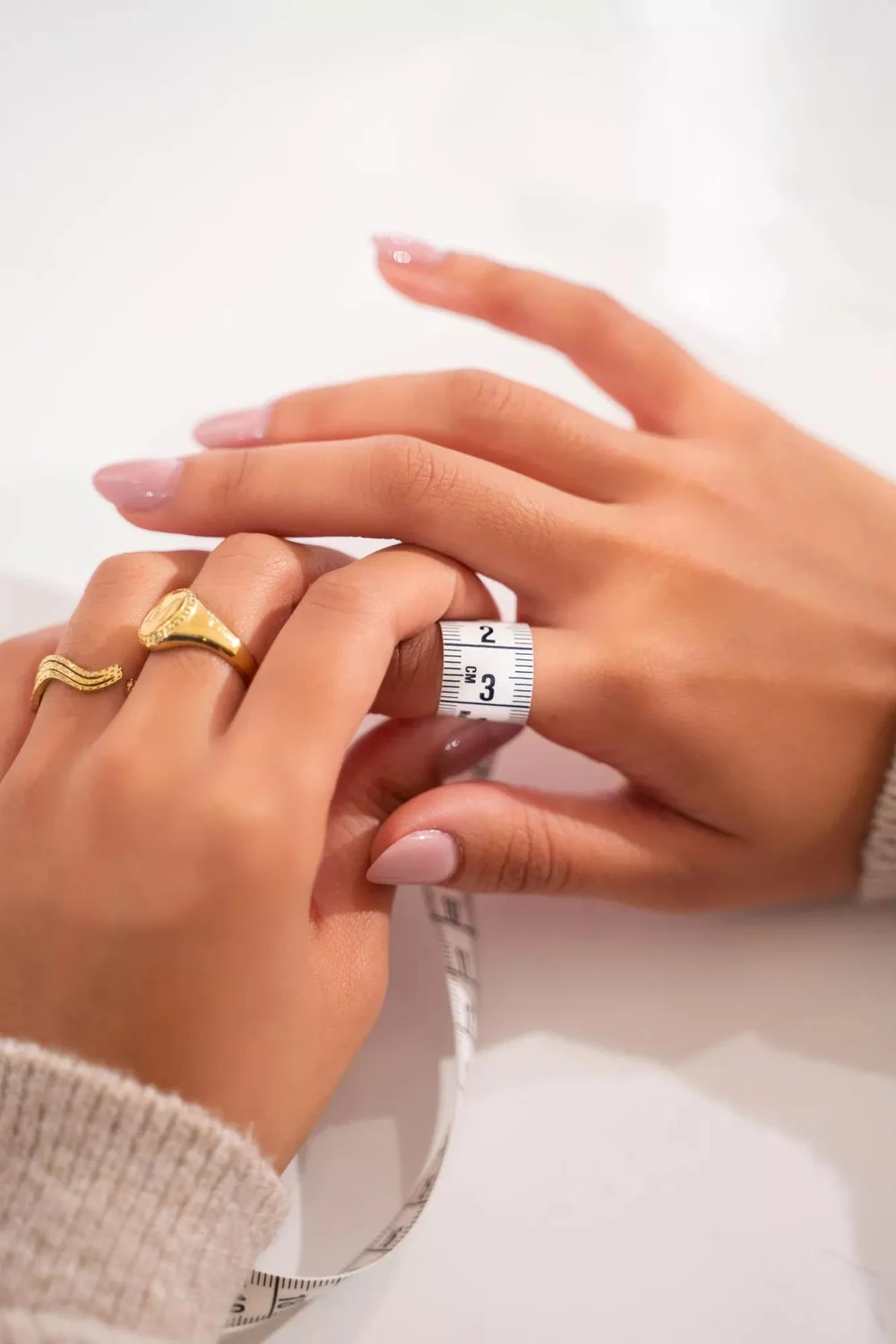
Decide which finger and hand will wear the ring. A comfortable fit on a different finger is not a reliable substitute for that decision. Our editorial suggestion is to use a ring that already fits the intended finger as a personal reference, if you have one, and compare its inside measurement with the seller’s chart as directed. Read how the chart expects a measurement to be taken; the outside width of a ring and its internal opening are different dimensions.
Measure carefully, then compare
Use a clear measuring method and check the result again rather than rounding a barely readable number into a confident choice. If you use a comfortable existing ring, keep the ruler straight across the inner opening and follow the chart’s method. This is a preparation idea, not a new conversion table. We do not supply an invented circumference range or universal sizing formula. When the result falls between choices or the chart is unclear, ask the seller for advice about that exact design.
Separate adjustable from fixed size
The Love ring heart locket is specifically described as adjustable, illustrating a different fit approach from the numbered options of the ribbed ring. That does not mean an adjustable ring fits everyone, nor that a fixed band can be bent to reach another size. Follow the fitting method supplied for the selected piece. A gap in a design or an overlapping shape in a photograph is not sufficient evidence that the wearer is meant to change its dimensions.
Check the full design on the hand
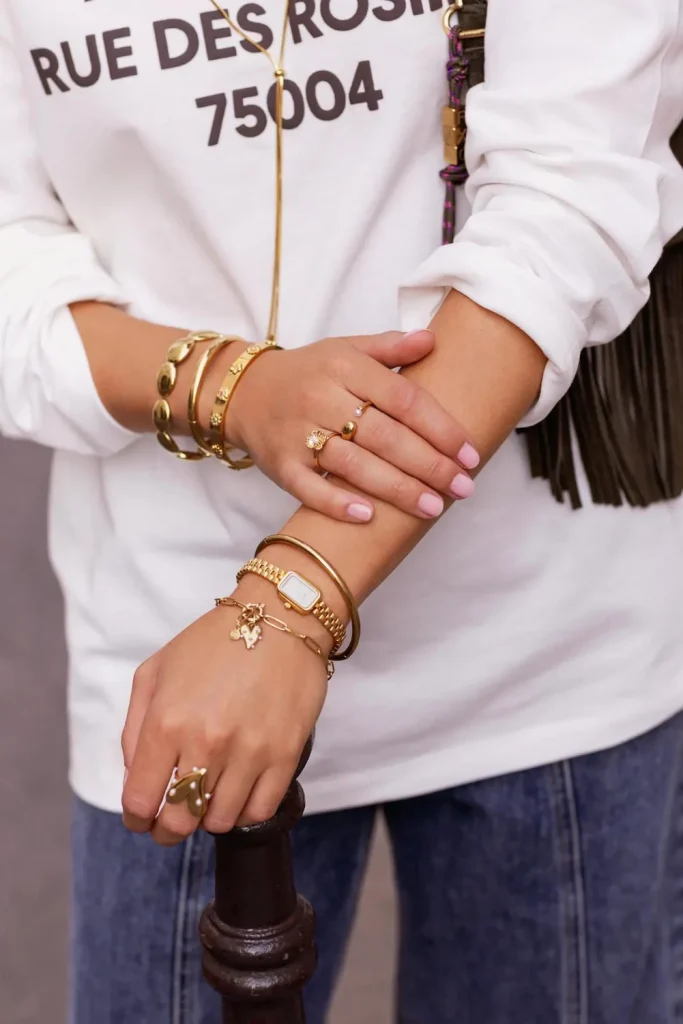
When trying a ring on, bend and straighten the intended finger and notice how the band and decorative part sit together. A broad outline or a stack of rings can feel different from a single narrow band, so a size reference is a starting point rather than a guarantee of identical comfort. Our editorial preference is to assess the actual arrangement you want to wear. Do not force a ring into place because the label matches a number that worked for another design.
Keep a useful size note
Write down the exact product, size label, measurement units and intended finger when a fit works well. That makes a future comparison more useful than a note containing only a number. Revisit the selected item’s chart whenever you change design or sizing system. Material and finish remain separate decisions: gold-plated steel is not solid gold, and a silver-coloured option does not by itself establish sterling silver. A careful choice combines readable sizing information with a design you genuinely want to wear.
← Back to the journal